
Why were you pursuing a PhD?
I decided to pursue a PhD because it gave me the chance to explore multidisciplinary topics in depth. I come from a mechanical engineering background, but during my studies I became really interested in artificial intelligence. A PhD felt like the perfect opportunity to bring these interests together and explore new ideas while working on real-world engineering problems.
What is the best part about doing a PhD?
The amount of opportunities you get to learn and grow as a PhD student is phenomenal. Every collaboration, course, and project is a chance to challenge yourself, and it genuinely makes you excited to go to work.
What is the most challenging part of doing a PhD?
A PhD is a long process, and throughout it both you and your project mature, which requires patience and long-term commitment. Accepting this and understanding that the culmination of your efforts may only become visible after several years is an important challenge that PhD students should be prepared for.
Do you have any tips for new PhD students?
First, I’d recommend trying to collaborate with other researchers whenever you get the chance. It really helps you grow as a team player, and it’s also a great way to learn from others with different perspectives and expertise.
I’d also encourage new PhD students to take courses outside their main field if something sounds exciting. Some of the most inspiring research ideas and techniques I’ve found came from courses outside my own division.
If you are a student and want to pursue a PhD, how should you go about it?
I’d recommend reaching out early to potential supervisors, getting familiar with their research topics, and trying to get involved in research projects whenever possible, through summer work, for example, or by continuing a course project you enjoyed during your studies. Getting firsthand experience with research really helps you figure out whether a PhD is the right path for you.
Why are you doing your PhD specifically at LiU?
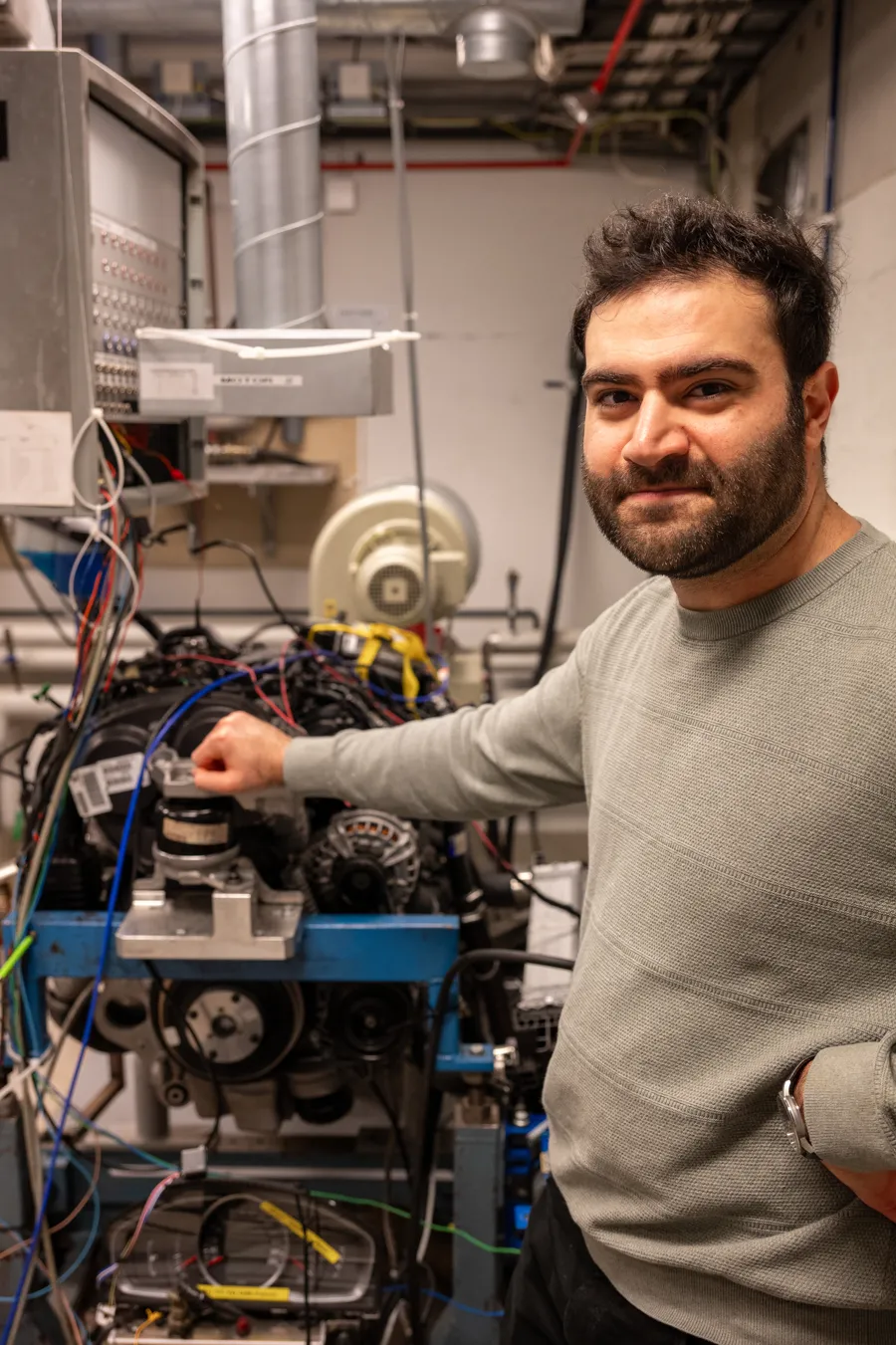 Simon Höckerbo
What is it like to be a PhD student at ISY?
It’s been a great experience. The colleagues are welcoming, the infrastructure is excellent, and the supervision team has been very supportive throughout my studies. I’ve also had the opportunity to collaborate with industrial partners in the Swedish automotive industry, which has had a really positive impact on the quality and relevance of my research.
Tell us about your research!
I work on fault diagnosis in vehicular systems, mainly using deep learning to detect and pinpoint issues in different vehicle subsystems. My research focuses on turning raw sensor data into diagnostic insights that can help improve vehicle safety and maintenance.
What will you do after completing your PhD?
I accepted a postdoc position from a research group at the Computer Science department (IDA) here at LiU working on automated planning. It’s a strong research fit for me, since my background includes hybrid modeling techniques that combine deep learning with physical insights. This role allows me to apply that experience in a new research area while taking on more supervisory responsibilities. As for what comes next, academia or industry, I’m keeping an open mind and letting future experiences guide that decision.


